Systems Designed for Minimal Business Disruption
Commercial Roofing in Kirtland for flat and low slope systems requiring energy efficiency and extended lifespan
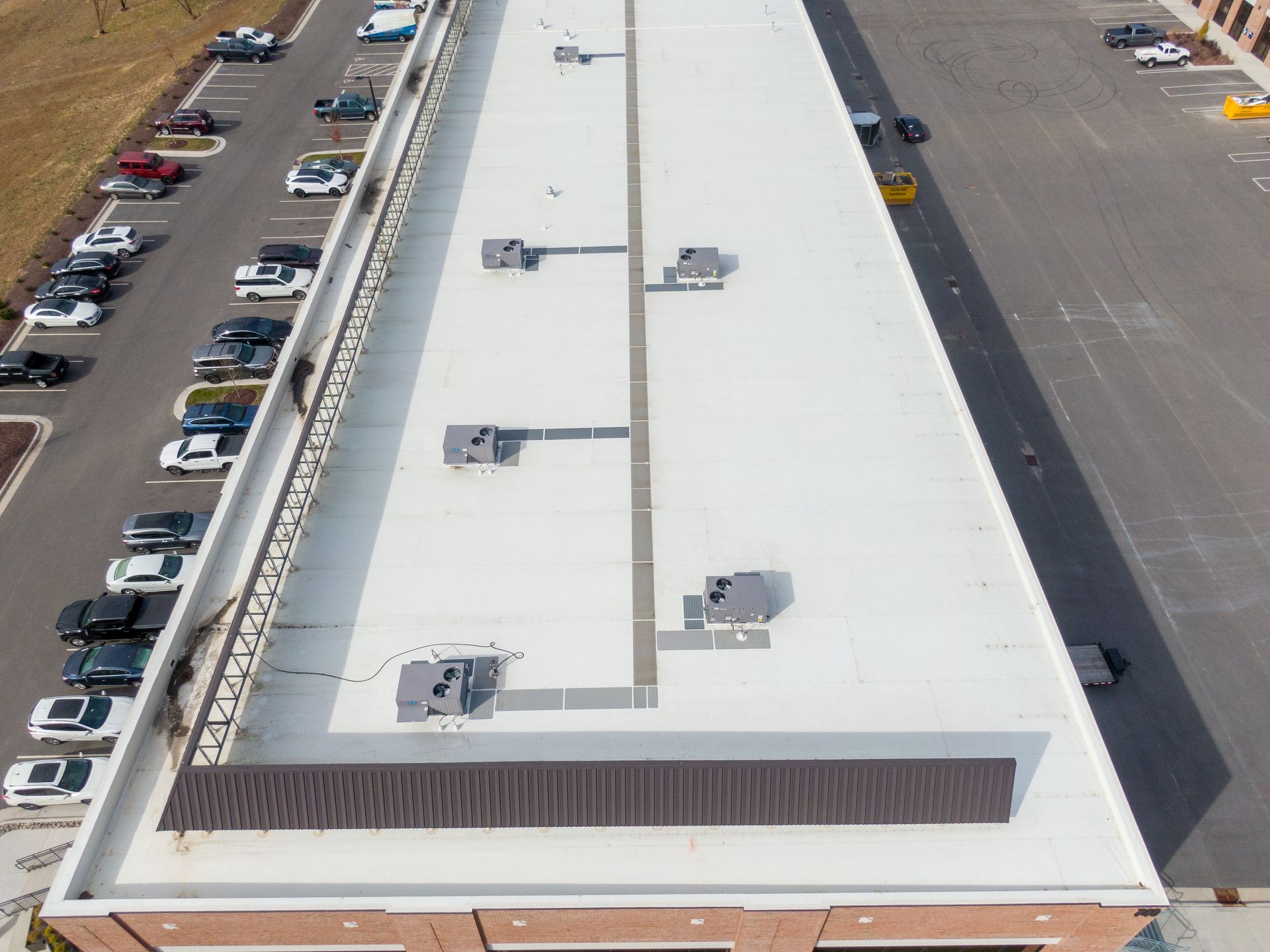
Flat and low slope commercial buildings present different challenges than residential roofs, primarily because water doesn't shed as quickly and membrane integrity determines whether leaks develop. Lampson Roofing LLC installs and services built-up, modified bitumen, TPO, EPDM, and tapered insulation systems across Kirtland and nearby commercial districts. Property managers and business owners dealing with ponding water, membrane deterioration, or outdated systems that drive up heating and cooling costs need solutions that prioritize durability and energy performance.
The service includes new installations and ongoing maintenance programs designed to extend roof lifespan and prevent costly downtime. Commercial roofing work often requires scheduling around business operations to avoid disrupting employees, customers, or production activities. The choice of roofing system—whether TPO for reflectivity, EPDM for affordability, or built-up for proven longevity—depends on building use, budget constraints, and performance priorities.
Arrange an on-site evaluation to identify specific system requirements and review installation timelines.
How Tapered Insulation and Membrane Selection Address Drainage
Commercial roofing relies on proper drainage to prevent water from pooling on flat surfaces, which accelerates membrane breakdown and increases leak risk. Tapered insulation systems create intentional slopes that direct water toward drains and scuppers, eliminating standing water that would otherwise sit for days after storms. TPO and EPDM membranes provide the waterproof barrier, with seams heat-welded or adhered to prevent separation under thermal expansion and contraction cycles.
Once the system is installed, building occupants notice stable interior temperatures, reduced energy bills from improved insulation values, and the absence of water stains on ceilings that previously signaled leaks. Maintenance programs catch minor issues—loose seams, punctures from foot traffic, clogged drains—before they compromise the entire roof. Regular inspections mean fewer emergency calls and longer intervals between major replacements, which protects capital budgets and avoids unplanned business interruptions.
The approach accounts for factors specific to commercial properties: HVAC equipment loads, rooftop access requirements, fire ratings, and warranty terms that align with ownership timelines. Some property owners prioritize initial cost savings, while others focus on lifecycle value and minimal maintenance demands. Understanding these trade-offs helps select the system that matches both immediate budget realities and long-term operational goals.
What Property Managers Usually Ask
Commercial property decision-makers often need clarity on system options, maintenance expectations, and project logistics before moving forward with roofing work.
What differentiates TPO from EPDM roofing membranes?
TPO offers higher reflectivity, which reduces cooling costs by reflecting sunlight rather than absorbing it, and uses heat-welded seams that create stronger bonds than adhesive. EPDM costs less upfront, performs well in cold climates, and tolerates ponding water, but its black surface absorbs more heat and seams rely on adhesive or tape.
How does tapered insulation prevent ponding water on flat roofs?
Tapered insulation boards are manufactured with gradual slopes—typically one-quarter inch per foot—that create pathways for water to flow toward drains even on structurally flat roof decks. This eliminates the low spots where water collects and sits, which otherwise degrades membranes through constant exposure and freeze-thaw damage.
When should a commercial building in Kirtland schedule roof maintenance?
Maintenance visits make sense twice annually—once before winter to clear drains and check seam integrity, and once after snow season to assess any damage from ice or freeze-thaw cycles. Properties with heavy HVAC equipment or frequent rooftop access may need quarterly inspections to catch punctures or equipment-related damage early.
When should a commercial building in Kirtland schedule roof maintenance?
Scheduled maintenance involves inspecting all seams and penetrations, clearing debris from drains and gutters, checking flashing around equipment, and documenting roof condition over time. This prevents small problems from becoming urgent leaks and extends roof lifespan by addressing wear patterns before they require full section replacement.
How is work scheduled to minimize disruption to business operations?
Installation and major repairs can often occur during off-hours, weekends, or slower business periods depending on the scope. Phased approaches allow portions of the building to remain fully operational while work progresses on other sections, and noise-sensitive businesses receive advance notice of louder activities like tear-off or mechanical fastening.
Lampson Roofing LLC works with property managers and business owners to develop roofing solutions that balance performance requirements with operational realities. Schedule a property evaluation to discuss system options and receive a detailed project proposal.